Promo Discount! Discount Code Will Be Applied At Checkout.
Wild Alaskan Seafood Variety Pack 12-Pack
4.92 / 5.0
(73) 73 total reviews
Free shipping on all orders
Split your purchase into 4 interest-free payments with Shop Pay
Couldn't load pickup availability
SUSHI-GRADE
- OMEGA-3 RICH
- FREE SHIPPING
- WILD-CAUGHT
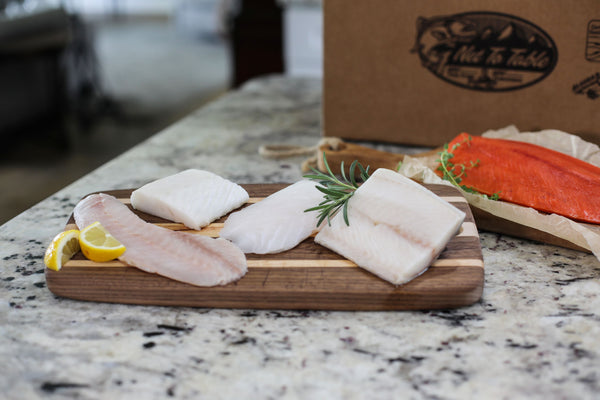
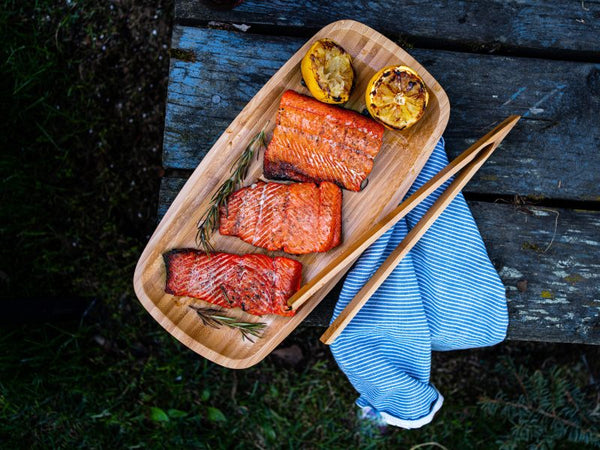
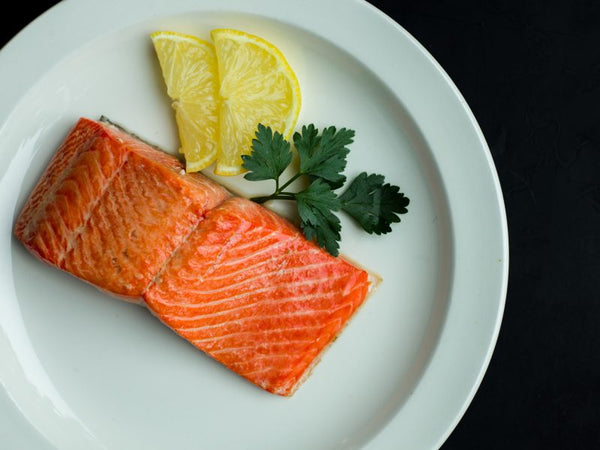
This wild caught Alaskan seafood variety pack delivers 12 individually vacuum-sealed portions across 6 premium species — all sourced from the pristine waters of Alaska. Dive into Alaskan sockeye and coho salmon's rich flavor, savor the versatility of Alaskan cod or rockfish, enjoy the velvety richness of sablefish, and relish the mild sweetness of halibut. Whether you're exploring Alaska wild seafood for the first time or looking for the best wild caught Alaskan seafood box to stock your freezer, this sampler gives you restaurant-quality variety without compromise. Salmon caught by the Owens family and other small boat fishers in Bristol Bay, Alaska. Alaskan white fish caught by the Velsko family and other small boat fishers in the Gulf of Alaska and Bering Sea.
*Backed by the Captain Luke Satisfaction Guarantee
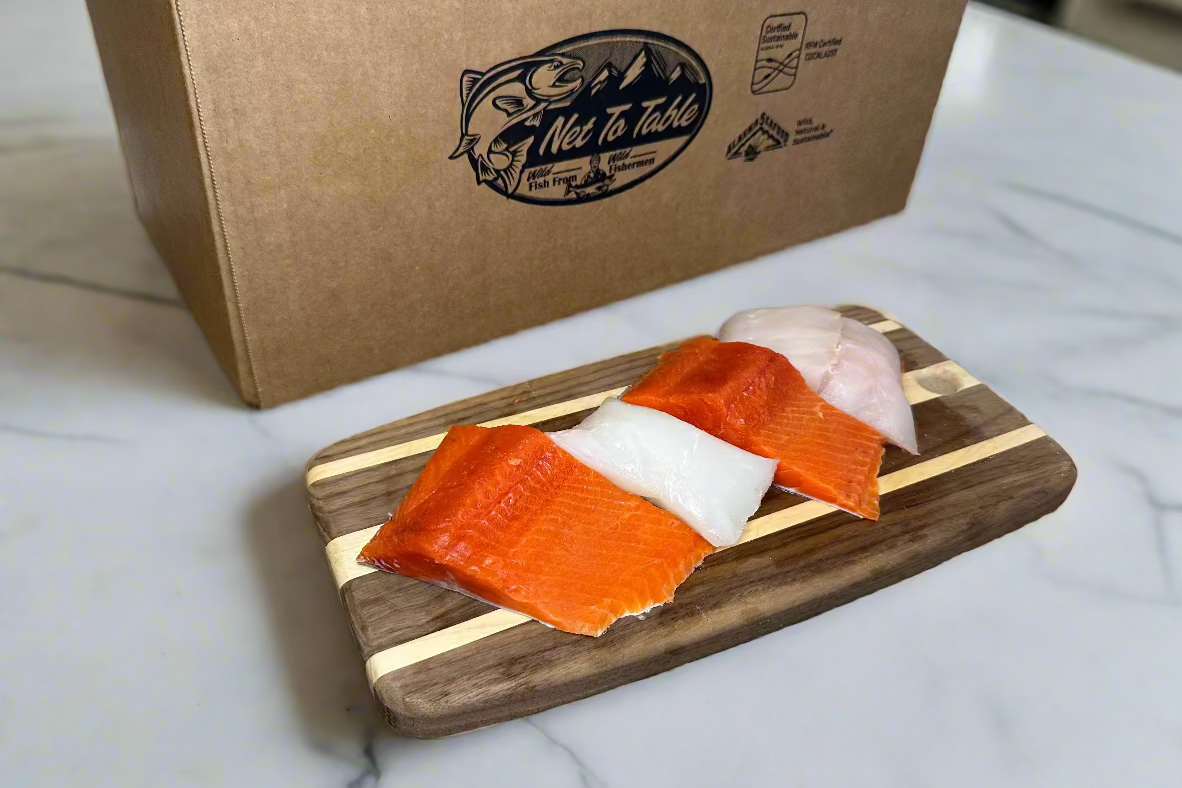
- 12 portions of wild caught Alaskan seafood — 6 oz each, vacuum-sealed
- 6 species of wild Alaskan seafood: Sockeye, Coho, Halibut, Sablefish, Pacific Cod & Rockfish
- Flash-frozen Alaska wild caught seafood, sealed at peak freshness
- All wild Alaskan seafood portions are boneless — salmon & sablefish are skin-on
- Alaska wild seafood delivered free — ships frozen on dry ice

Variety Box FAQ
Is the Wild Alaskan Seafood wild-caught or farmed?
ALL our fish are wild-caught in Alaska. The salmon is wild-caught by the Owens family and other small boat fishers in Bristol Bay, Alaska. Bristol Bay has the largest wild salmon run in the world and 100% of the salmon here are naturally producing in Bristol Bay's glacial lakes, rivers and tributaries.
The whitefishes (halibut, sablefish, rockfish, and cod) are wild-caught by the F/V Kaia and sister boat - the F/V Dangerous Cape - using long-line and pots.
Is the Alaska Wild Caught Seafood in this box boneless and skinless?
All our fish are boneless. Our wild Alaskan salmon and sablefish is skin-on (some of the best nutrition is in the skin). Everything else (halibut, cod, rockfish, etc) is skinless.
Is your Wild Caught Alaskan Seafood sushi-grade? Tips for cooking Alaska Wild Seafood perfectly?
Yes, all of our fish are flash-frozen at their peak freshness and are considered sushi-safe. Because our wild fish have significantly less fat than farm-raised fish, they cook much faster and are easy to overcook. For the best flavor and tenderness, we recommend:
Cooking it to an internal temperature of 125°F to 135°F (medium-rare).
How is Wild Alaskan Seafood kept frozen during delivery?
We use insulated shipping containers packed with enough dry ice to keep your salmon frozen solid until it arrives at your door. We ship all orders to arrive within the timeframe required to ensure quality. If, for any reason, your fish arrives warm and the dry ice is completely gone, please contact Capt Luke immediately. We offer a replacement guarantee for any product that does not arrive frozen and in excellent condition.
How is Alaska Wild Caught Seafood packaged and shipped to my door?
All orders are packed in environmentally responsible (compostable or recyclable) insulation, recyclable packaging, and on dry ice.
We ship early in the week to ensure proper delivery timing. Orders ship Monday–Wednesday and typically arrive Tuesday–Thursday (Friday only in rare delays). If shipping this week would result in a weekend delivery, your order will ship the following week.
Does your Wild Caught Alaskan Seafood ship directly from Alaska?
We ship from our dedicated packing facility in Chicago to guarantee the best results. The pristine, wild areas where we fish are far from major shipping hubs and dry ice supplies. Moving our catch through a climate-controlled interior route to the Midwest allows us to offer more reliable shipping times and much lower risk of thawing than shipping individual boxes across the entire continent.