To choose a wild salmon delivery service, check ten things before you order: the species and where it was caught, who caught it, how the fishery is managed, how fast it was frozen, what's added to it, how it ships, what it really costs per pound, what happens if a box arrives wrong, whether you can try it once, and whether a real person answers. A good service can answer every one of them in plain words.
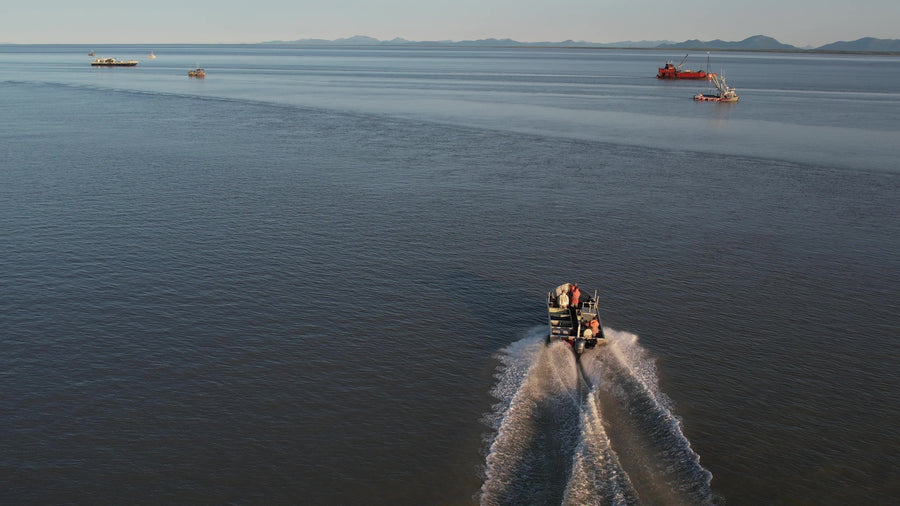
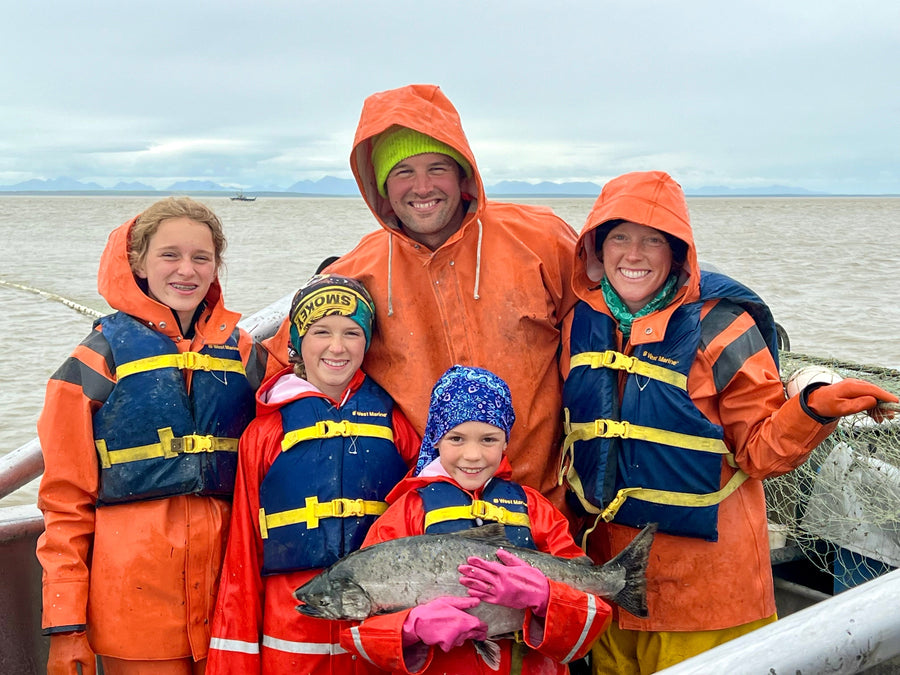
I'm a setnet fisherman in the Nushagak District of Bristol Bay, Alaska. My family fishes here every summer, and the sockeye we sell comes out of our own nets. I also get asked all the time how to tell a good salmon delivery company from a website with a nice photo of a fish on it. This is the checklist I'd use if I were buying.
Cold starts on the boat, not at the warehouse. This year our first opener came on June 27 at 11 AM. We went out early to get ice so our nets could go in right at 11. Everything on this list comes back to that: knowing where the fish came from and keeping it cold the whole way to your door.

The wild salmon delivery checklist at a glance
| Question to ask | A good answer | A red flag |
|---|---|---|
| 1. What species, from where? | "Sockeye, Bristol Bay, Alaska" | Just "wild salmon" |
| 2. Who caught it? | A named fishery or fishing family | No one can tell you |
| 3. How is the fishery managed? | Openers set by state biologists | No mention of management |
| 4. When was it frozen? | Frozen at peak freshness | "Previously frozen," no detail |
| 5. What's added? | Nothing | "Color added" or preservatives |
| 6. How does it ship? | Frozen, with dry ice, on set days | Ships any day, lands on a weekend |
| 7. What does it cost per pound, shipped? | A clear total | Shipping fees show up at checkout |
| 8. What if it arrives wrong? | A written policy with a clear window | No policy you can find |
| 9. Can I try it once? | A one-time box | Subscription only |
| 10. Will a person answer? | A phone number and a name | A contact form and nothing else |
1. Does the label name the species and where it was caught?
"Wild salmon" by itself doesn't tell you much. Look for the species (sockeye, coho, king, keta or pink) and a place, like Bristol Bay or at least Alaska. "Atlantic salmon" in a store is nearly always farmed.
This matters because labels aren't always honest. Oceana has found that about a third of seafood sold in the U.S. is mislabeled. In its 2015 salmon study, 43% of the 82 samples it tested were mislabeled, and most of those were farmed Atlantic salmon sold as wild. Our guide to wild salmon vs farmed salmon goes through the label checks in more detail.
2. Can they tell you who caught it?
Some salmon delivery companies fish. Most buy from a processor and resell. Neither is automatically bad, but a company that buys direct from fishermen should be able to tell you which fishery the salmon came from, and ideally which boat or family.
Buying direct from a fisherman also cuts out middlemen. That's the reason we started Net to Table. We catch our sockeye on the Combine, the eastern beach of Nushagak Bay, and my dad, Paul Owens, fished the Wood River Special Harvest Area this year. If you ask me who caught your sockeye, I can tell you.
3. Is the fishery actually managed for the future?
Wild doesn't mean unlimited. Ask how the fishery decides when fishing opens. In Bristol Bay, the Alaska Department of Fish and Game sets each opener based on how many salmon are coming into the district and whether enough are getting upriver to spawn. In June we waited on the beach for about two weeks for enough king salmon to pass the counting tower before we could fish sockeye.
That waiting is why Bristol Bay sockeye is the world's largest sustainable wild salmon run. Alaska also made farming finfish for sale illegal in 1990 (Alaska Statute 16.40.210), and Bristol Bay has no hatcheries, so the sockeye we catch are wild from egg to net. Net to Table was also the first Bristol Bay direct marketer to earn RFM certification, which audits that a fishery is responsibly managed.
4. How fast was the salmon frozen?
Frozen wild salmon is often better than "fresh" salmon at the counter, which may have spent days getting there. What matters is how soon the fish was chilled and frozen after it came out of the water, and that it stayed frozen after that.

Ask a delivery service when its salmon is frozen and how. You want to hear that it's frozen at peak freshness and kept frozen until it reaches you. Ours is.
5. Is anything added to it?
Wild salmon doesn't need anything added. Ours has no antibiotics, additives or preservatives. If you see "color added" on a label, the fish was farmed: astaxanthin goes into farm feed to turn the meat pink. Wild sockeye gets its deep red color from the krill and small crustaceans it eats at sea.

6. How does the salmon ship, and on what days?
Frozen fish should travel frozen, packed with dry ice in an insulated box, and it shouldn't sit in a warehouse over a weekend. Ask which carrier the company uses, how many days it takes, and which days it ships.
Here's how we do it. Every box is packed with dry ice and timed to reach your door by Thursday, so it never sits in a truck over the weekend. Most addresses are 1 to 3 days from our warehouse by FedEx, and the farther away you are, the earlier in the week your box ships: Monday if you're 3 days out, Tuesday for 2, Wednesday for 1. If your order misses that day's 10 a.m. Central cutoff, it goes out the next week. Put your ZIP in on any product page and it shows your ship week. We ship to the continental U.S. You can see the whole process on our how it works page.
On delivery day, try to be home or have someone get the box inside. A box left on a porch all afternoon is the one thing nobody can control.
7. What does it really cost per pound, shipped?
Compare total price per pound, with shipping included. A low sticker price with a shipping fee added at checkout can cost more than a higher price with free shipping. Look at portion size too, since a box of small portions can look like more fish than it is.
Our shipping is free on every order over $120, so the price you see is the price you pay.
8. What happens if something arrives wrong?
Every service that ships frozen fish will eventually have a box that gets delayed or damaged. What matters is what they do next. Look for a written policy that tells you how long you have to report a problem and what they'll ask for.
Ours is simple. If an order arrives damaged, spoiled or wrong, email us within 48 hours of delivery with your order number and a few photos of the box, the label and the fish. We'll review it and send a refund, a replacement or store credit, usually within one to two business days.
9. Can you try one box before you subscribe?
A salmon delivery subscription is the easiest way to keep wild fish in the freezer, but you shouldn't have to commit before you've tasted it. Look for a one-time option.
We have one-time sample boxes for exactly that. If you like it, the Seafood Plan keeps your freezer stocked on a schedule you choose.
10. Does a real person answer the phone?
Before you order, try to reach someone. You'll learn a lot about a company from how it handles a simple question. You can call or text me directly at (888) 528-5923, or email CaptainLuke@nettotableseafoods.com.

How to try wild salmon delivery without guessing
If you've never ordered wild salmon online, start small. A one-time sample box lets you see how it ships, how it thaws and how it cooks. Then decide whether you want more. If you already know you like sockeye, the Wild Alaskan Sockeye Salmon 12-pack is the fish we catch ourselves in Bristol Bay.
FAQ: choosing a wild salmon delivery service
What is the best wild salmon delivery service?
The best one is the one that can answer all ten questions above: species and origin, who caught it, how the fishery is managed, how it was frozen, what's added, how it ships, the real price per pound, what happens if a box arrives wrong, whether you can try it once, and whether a person answers. I'd pick a company that buys direct from fishermen, or fishes itself.
Is frozen wild salmon as good as fresh?
Yes, if it was frozen at peak freshness and stayed frozen. A lot of "fresh" salmon at the store has been out of the water for days. Well-frozen wild salmon is often the better fish.
How is frozen salmon shipped so it stays frozen?
In an insulated box with dry ice, by a ground or express carrier, on days that keep it out of weekend transit. We ship FedEx, time every box to arrive by Thursday, and send it out Monday, Tuesday or Wednesday depending on how many days it has to travel. Your ZIP on any product page shows your ship week.
How much does wild salmon delivery cost?
Compare the price per pound with shipping included. Our 12-packs start at $169.95 for the Wild Alaskan Salmon 12-pack (sockeye and coho), and shipping is free.
How can I tell if salmon is really wild?
Look for a named species, a named place, and no "color added" on the label. Atlantic salmon in U.S. stores is almost always farmed. The surest way is to buy from someone who can tell you who caught it.
Is Alaska salmon ever farmed?
No. Alaska has banned commercial finfish farming since 1990. Some regions release hatchery-raised young salmon that grow up in the ocean, but Bristol Bay has no hatcheries.
— Captain Luke
Bristol Bay, Alaska