
From our fishing family to yours
Your seafood
care guide
Your box is here. Let’s get it unpacked, stored, and ready for a good dinner. A little know-how goes a long way.
Start with your box Something not right? Get help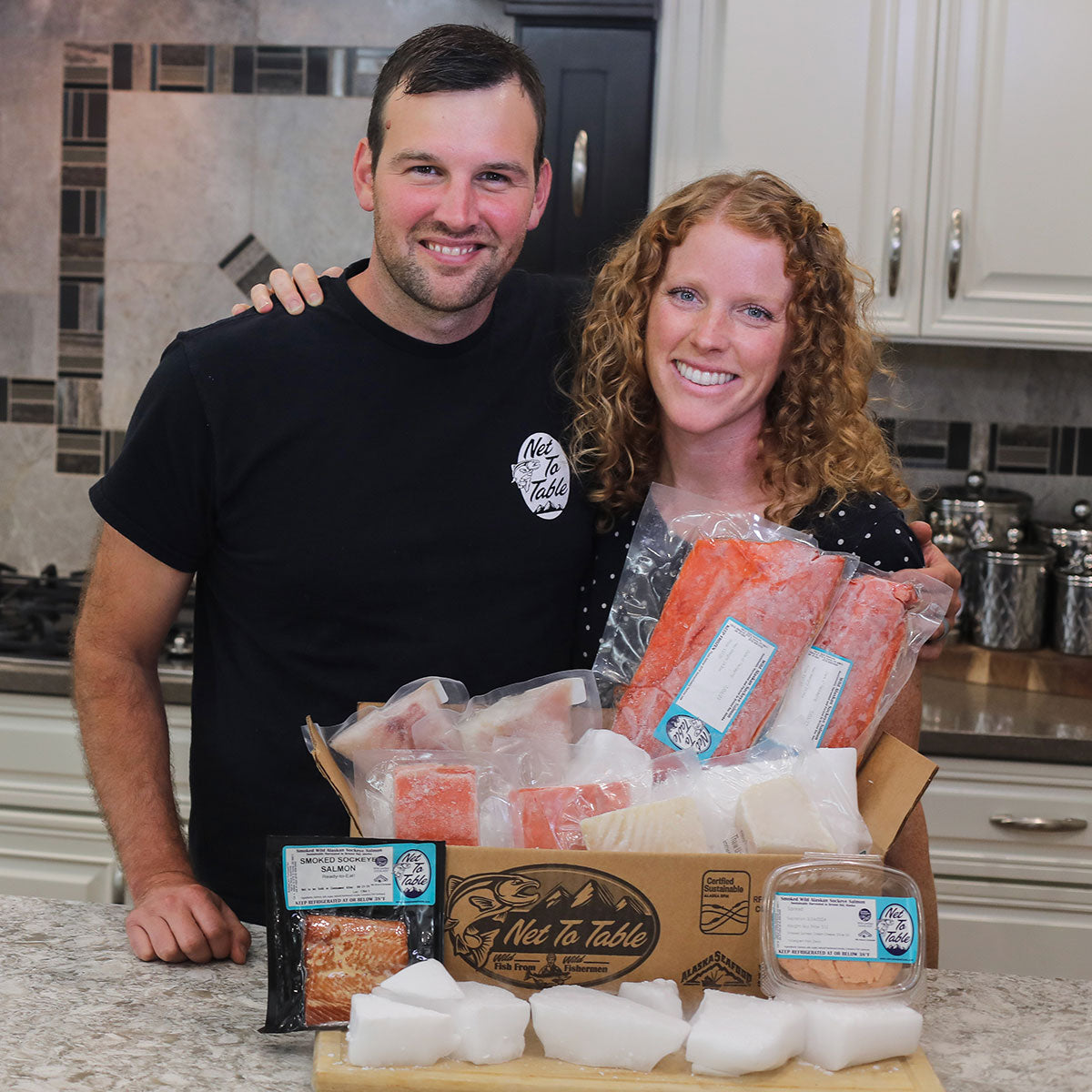
First things first
From the doorstep to the freezer.
Open your delivery promptly. The name and instructions on each package are your starting point. Check them before storing or thawing, and keep the labels handy if you need help.
Check your catch
Look over the contents and packaging, then compare the labeled items with your order confirmation. If something is missing or thawed, tell us what you found.
Put frozen seafood away
Move frozen items into your freezer promptly.
Handle any dry ice carefully
Keep it away from children and pets. Never touch it with bare hands; use insulated gloves. Let it evaporate in a well-ventilated place, never in a sealed container.
A little planning goes a long way
Tomorrow’s dinner starts tonight.
For raw fish portions, refrigerator thawing is a simple place to start.
Thaw in the refrigerator
- Read the label before thawing. For vacuum-packed fish labeled to stay frozen until use, remove the fish from its vacuum packaging before refrigerator thawing.
- Place it in a clean dish and cover loosely. Keep it separate from ready-to-eat foods and contain any drips.
- Let it thaw overnight. Thicker portions may need longer. Don’t thaw seafood on the counter or in warm water.
If a label is missing or unclear, ask us before preparing it.
Now for the good part
Make something you’ll want to make again.
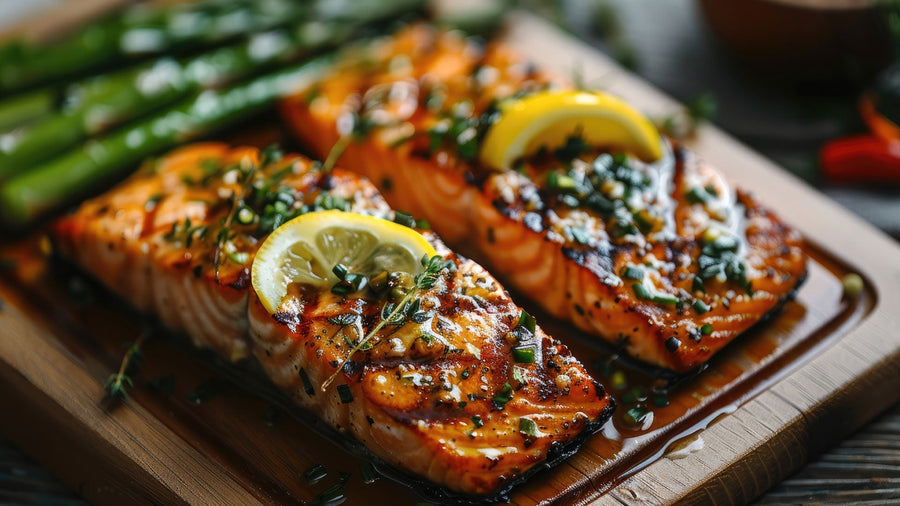
Grilled sockeye with lemon butter
Have sockeye in your box? Start with lemon butter, then add a side you already enjoy.
Get the recipeNot sure which fish you have?
Start with the species name on your package. Our salmon guide explains the differences between sockeye, coho, and king.
Get to know your salmonA thermometer takes out the guesswork.
Cook most seafood to an internal temperature of 145°F. Check the thickest part with a food thermometer, and follow product-specific cooking directions.
Read the FDA seafood guideA little know-how for your next dinner.
I’m new to cooking seafood. Where should I start?
Start with the species name on your package, then choose a recipe written for that fish. If you have sockeye, the lemon-butter recipe above is one place to begin. Add a side you already enjoy, such as rice or roasted vegetables.
Read the thawing steps before you start. Cooking a different fish? Find an idea in our recipe collection, or tell us what’s in your box for help choosing a starting point.
How do I know when my fish is cooked?
Use a food thermometer in the thickest part. Cook most seafood to an internal temperature of 145°F and follow any product-specific directions on the package.
A recipe’s cooking time is a guide, not a test for doneness: portion thickness and your equipment can change how long it takes. Check the temperature as you approach the recipe’s suggested time.
What should I check on the package?
Start with the product name and its storage and preparation instructions.
For salmon, look for a species name such as sockeye, coho, or king. Our salmon guide explains the differences. If the label is missing or an instruction is unclear, contact us before preparing it. Share the product name or a photo of the package if you can.
We’re here to help
Questions happen. Let’s work through them.
Missing an instruction card? Waiting on your box? Start here, or reach out to our team.
Contact Net to TableI didn’t receive instructions.
Sorry the instructions didn’t make it to you. The unpacking and thawing steps on this page will help you get started, and our recipe collection has ideas for dinner.
For product-specific help, send us the name on the package—or a photo of its label. If you received this as a gift and don’t have an order number, you can still contact us.
My tracking number has no updates.
A tracking number or “label created” status is not confirmation that the carrier has picked up your box. Open the carrier’s tracking link from your shipping email and look for the latest scan.
If there’s no pickup scan, an exception, or a delivery date that has passed, send us your order number and tracking number so we can check. We won’t ask you to guess where your box is.
Ask about your delivery ↗My seafood arrived thawed or warm.
If it arrived thawed and warm, don’t eat it. Contact our team for help.
If any fish arrives thawed, take clear photos of the affected fish and its packaging, and send them to our customer care team with your order number.
For an order that arrived damaged or spoiled, email CaptainLuke@nettotableseafoods.com within 48 hours of delivery. Include your order number, what happened, and clear photos of the outside of the box, its shipping label, and both sides of the affected product, preferably inside the box with its packaging. Our refund policy explains the review requirements.
Contact us promptly even if you need help gathering photos. Smell or touch alone cannot confirm that seafood is safe.
Get help with your box ↗Something is missing or isn’t what I ordered.
Compare your order confirmation with the names and quantities on the packages. Email CaptainLuke@nettotableseafoods.com within 48 hours of delivery with your order number, what you expected, and what you received.
Include clear photos of the outside of the box, its shipping label, and both sides of any incorrect product, preferably inside the box with its packaging. See our refund policy for the review requirements. Contact us promptly even if you need help gathering photos.
Tell us what’s missing ↗I have a different question.
Visit our frequently asked questions for more information, or contact our team. If you’re already talking with us by email, reply to that conversation so the details stay together.